The Bengaluru Water Utilities Authority has imposed sweeping restrictions on drinking water use, warning of fines, water supply cuts and other penalties for violations as it moves to conserve supplies as rainfall remains far below normal and groundwater levels drop in parts of the city.

The Bengaluru Water Supply and Sewerage Board (BWSSB) has issued a series of prohibitory and regulatory orders under Sections 33 and 34 of the BWSSB Act, 1964, prohibiting the use of drinking water for a range of non-essential activities with immediate effect.
The restrictions prohibit the use of potable water for vehicle washing, gardening, construction work, road construction and cleaning, decorative fountains and similar recreational activities, for non-drinking purposes in shopping malls and movie halls, and for filling or maintaining swimming pools.
An exception is made for swimming pools used for training athletes preparing for competitions at state and national levels, subject to prior approval from the Board of Directors.
Anyone who violates the restrictions will face a fine $5,000 under Section 109 of the Act. Repeated violations will result in an additional penalty of $500 for each day that the violation continues. The authority also asked residents to report violations through its call center by calling 1916.
In a separate order, the BWSSB directed residential complexes, malls, commercial establishments, government offices, luxury hotels, restaurants and public places, including religious institutions, to install flow restrictors or aerators on taps and other water outlets used for cleaning by July 31.
Failure to comply may result in a 50% reduction in water supply under Section 53 of the Act, in addition to a fine of $5000 and an additional fine $500 pounds for each subsequent day of non-compliance.
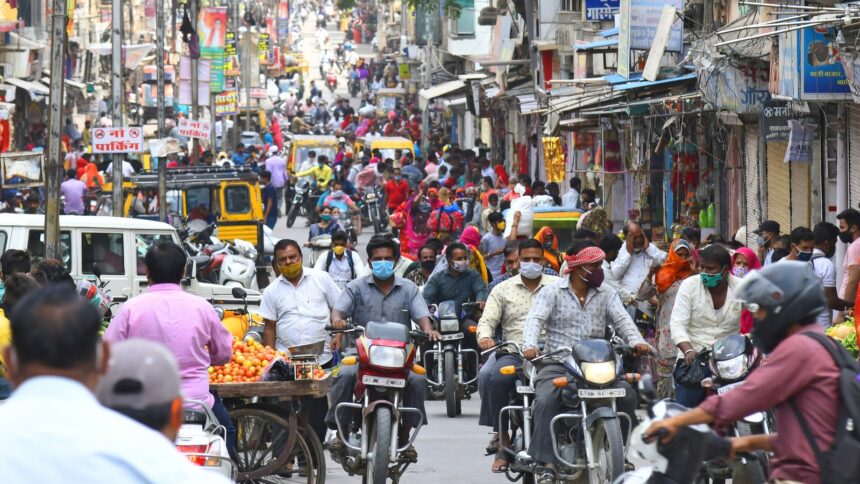
The council said these measures are necessary because Bengaluru’s population, including permanent and floating residents, is estimated at 14 million, making careful management of available drinking water essential. Officials said below-normal rainfall led to a drop in groundwater levels in several parts of the city.
BWSSB Chairman Manjula said the restrictions were imposed in response to lack of monsoon rainfall and low storage in the reservoirs that feed the city.
According to the council, the reservoirs held 203 TMC of water as of Saturday evening, or about 23% of their total capacity of 895.6 TMC. Storage levels were higher during the corresponding period last year. In the Cauvery basin, available storage was 36 TMC against a total capacity of 114.5 TMC.
A senior official from the India Meteorological Department said the southwest monsoon recorded a rainfall deficit of 40% due to the influence of El Niño and that the probability of a significant improvement in rainfall later in the season remains low.
As an emergency measure, the BWSSB is preparing to withdraw water from the Kabini and Hemavathi reservoirs if necessary. “If water is released from Himavathi or Kabini, it will flow for about 155 km, and someone may pull it along the way. We will have to monitor that. If this is ensured, it will not be difficult to bring water from these tanks,” Manjula said.