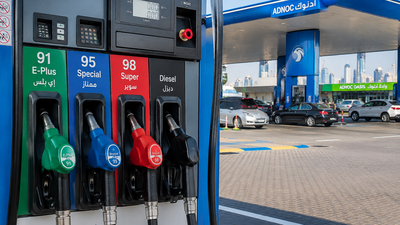
The UAE announces a decrease in gasoline and diesel prices for the month of July; Check new prices / Image: File
Thousands of motorists across the UAE will finally get some time to breathe at the fuel pump after the country announced a sharp cut in petrol and diesel prices for July 2026.The latest amendment, which takes effect from July 1, ends a four-month series of fuel price increases that pushed fuel prices to their highest levels in years amid conflict in the Middle East. This decline comes in the wake of calm global oil markets throughout the month of June after concerns about crude oil supplies eased, providing relief to households, passengers and businesses alike.
Fuel prices in the UAE for July 2026
| Fuel type | July 2026 Price (per liter) | June 2026 Price (per liter) | It changes |
| Super 98 | AED 3.40 | AED 3.95 | -55 fils |
| Special 95 | AED 3. 29 | AED 3. 83 | -54 fils |
| E-Plus 91 | AED 3. 21 | AED 3. 76 | -55 fils |
| diesel | AED 3.60 | 4.00 dirhams. 33 | -73 fils |
Diesel recorded the largest monthly decline, falling by 73 fils per liter, while all types of gasoline became cheaper by more than half a dirham.
Overall, gasoline prices fell by approximately 14%, while diesel recorded a steeper decline of approximately 17% compared to June.
Why did fuel prices decrease in the UAE?
Since the conflict erupted in the Middle East on February 28, fuel prices in the UAE have risen by more than 60%, driven by fears of supply disruptions, rising crude oil prices and concerns surrounding shipping through the Strait of Hormuz.These pressures gradually decreased during the month of June as global oil prices declined and markets reacted positively to indicators of a fragile regional ceasefire, leading analysts to expect a decline in oil prices for the month of July.
Fuel prices in the UAE are reviewed monthly and are linked to average global oil prices, along with distribution and operating costs. This means that local pump prices closely follow global energy market movements rather than remaining constant.How much can drivers in the UAE save when the tank is full:
| Vehicle type | Tank capacity | Approximate monthly savings |
| Compact car | 51 litres | 27 dirhams. 54 – 28 dirhams. 00 |
| Sedan | 62 litres | 33 dirhams. 48 – 34 dirhams. 10 |
| SUVs | 74 litres | AED 39. 96 – 40 dirhams. 70 |
The latest reduction will immediately impact motorists’ monthly fuel bills.For many families who rely on the daily commute, lower fuel prices can translate into significant monthly savings, especially during the busy summer travel period.
Commercial operators and logistics companies are also expected to benefit from the significant decline in diesel prices, helping to ease transportation and operating costs.
What’s the next step?
Although July brings a good rest, fuel prices are still much higher than at the beginning of the year, highlighting how quickly international geopolitical developments can impact motorists in the UAE.This announcement also comes just weeks after the UAE officially exited OPEC and OPEC+ on May 1, 2026, ending more than six decades of membership.Analysts believe the move could eventually allow the country to increase oil production by up to 30% above previous limited quota levels, depending on how quickly additional production capacity is deployed. However, monthly retail fuel prices will remain largely dependent on global crude oil trends, refining costs and distribution expenses.For now, the July announcement offers the first major relief to UAE motorists since fuel prices began rising earlier this year, as falling costs are expected to ease pressure on household budgets and cut expenses for businesses that rely heavily on road transport.