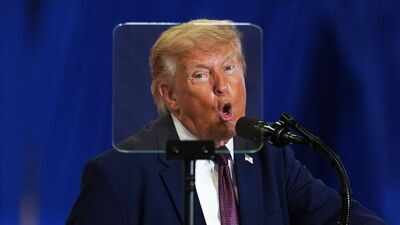
Donald Trump loses his temper with his Republican colleague over Iran (archive photo)
US President Donald Trump and Republican Senator Bill Cassidy engaged in a heated shouting match during a closed-door meeting with Senate Republicans on Thursday (local time), exposing growing divisions within the Republican Party over Trump’s handling of Iran and his broader policy agenda. The confrontation broke out after Trump demanded an explanation from Republicans, who had joined Democrats the previous day in voting to curb his military power in Iran. Cassidy, one of four Republican senators who supported the measure, challenged the president, saying the administration had failed to adequately explain its goals and strategy.“I stood up and said, ‘You didn’t tell the American people what was going on,'” Cassidy later recalled, CNN reported.
He added that he wondered why the military operation extended from the expected four weeks to four months without achieving its original goals.According to several people in the room, Trump responded angrily, raising his voice at Cassidy. The Louisiana senator said he responded by shouting in the “same tone and volume” as the president. At one point, Trump ordered Cassidy to sit down, but the senator refused. Trump reportedly called him “crazy.”
Cassidy continued to argue before eventually sitting down after his colleagues urged him to calm the situation. A White House official later accused the senator of “completely embarrassing himself” during the conversation.The tense confrontation came a day after Trump attacked the four Republicans who supported the war powers resolution on Iran, describing them on social media as “Republican losers.” Senator John Kennedy said afterward that Trump was “mad as a murder hornet” about the vote. The clash highlighted growing frustration among some Republicans as Trump continues to pressure Congress on issues ranging from policy toward Iran to election legislation. Several Republican lawmakers have privately expressed concern about the president’s political strategy and low approval ratings ahead of the 2026 midterm elections.