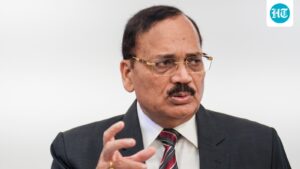
The Rajasthan government has formed a committee headed by former Supreme Court judge Rangana Prakash Desai to prepare the draft legislation as part of the process of implementing the Uniform Civil Code, or a common set of laws related to personal matters such as marriage, divorce, inheritance and succession for all.

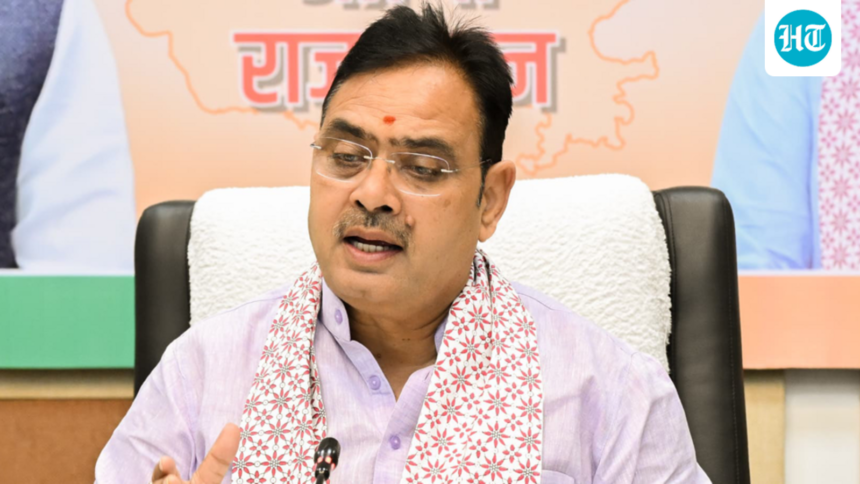
State Minister Jawahar Singh Bedham said the Desai-led Justice Committee will hold public consultations at the departmental level and seek suggestions through a website to ensure that the proposed legislation is comprehensive and transparent. Tribal communities will be kept outside the purview of the proposed framework.
Rajasthan has become the fifth Bharatiya Janata Party (BJP)-ruled state to start the UCC process over the past two years. In February 2024, Uttarakhand became the first state to pass the UCC Act. Two other BJP-ruled states, Gujarat and Assam, followed suit this year.
Madhya Pradesh, which also has a BJP government, has formed a committee to draft the UCC law. The state government plans to introduce the UCC Bill in July.
Tribes have been kept out of UCC’s purview in all these states with Justice (retd) Desai heading committees to draft legislation for common frameworks governing personal matters.
Article 44 of the Constitution, one of the directive principles of state policy, calls for the establishment of a federal commission, a controversial and polarizing issue. But religion-based civil laws have governed personal matters since independence.
The All India UCC is the third unfulfilled ideological promise of the BJP. The construction of a Ram temple in Ayodhya and abrogation of Jammu and Kashmir’s semi-autonomous status under Article 370 of the Constitution, the other two major ideological goals, have been achieved since the BJP came to power at the Center in 2014.
Rajasthan Minister Gaugaram Patel said the move to implement UCC in the state is in line with Article 44.
Officials said the proposed legislation aims to “eliminate disparities” and promote “gender equality” by ensuring equal rights. The main provisions under consideration include mandatory registration of marriage and divorce, prohibition of polygamy, mandatory registration of direct relationships, and equal inheritance rights in ancestral property for sons and daughters.
The government said it is committed to formulating a progressive and model law that suits the social fabric of Rajasthan and contemporary requirements.