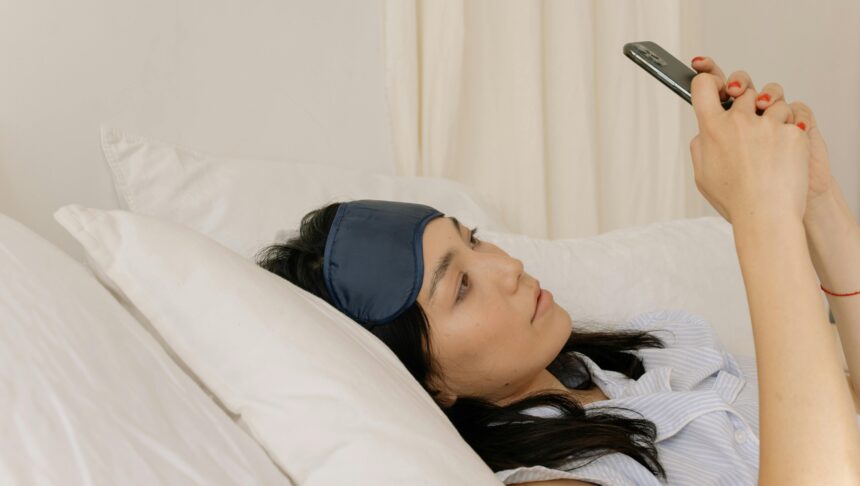

According to the Entertainment Software Association’s 2025 Key Facts Report, 205.1 million Americans play video games at least one hour per week, and 60% of American adults now play them, with the average gamer age being 36 years old. For adults looking for simple ways to turn it off, this helps explain why fast-paced formats, including social casino, exist in the same everyday space as streaming, scrolling and podcasting. Gaming is no longer limited to long sessions or dedicated hobbyists. It has become one of those little habits that people find easy to follow when their day begins to wind down.
If you’ve ever opened your phone for a few minutes of gaming while cooking dinner or with the TV playing in the background, you already know how attractive this phone is. It’s easy, foolproof and available when you want it. This convenience goes a long way to explaining why casual play has become part of the modern routine.
Small screen with big sapphire
One of the reasons why casual play fits so neatly into adult life is that it asks very little of you. There’s no long setup, no need to stop the evening and no pressure to learn complex systems before you can enjoy yourself. When the average American player is 36 years old, comfort is clearly part of the story.
You can see it in behavior too. According to CivicScience survey data published in April 2024, 65% of US adults say they play mobile games, and 45% say they do so at least once a week. These numbers don’t explain all the reasons people play, but they do show consistency. For many adults, mobile gaming is part of their regular entertainment routine.
This pattern matches the way many evenings work in real life. You might have ten minutes before bed. You might be half watching a series and the other half doing three other things. You may just want a short break that feels more energizing than scrolling. Casual games work because they fit into fragmented downtime rather than compressing them.
Pocket-sized pause button
Mobile access has made it easier to maintain this habit. Once games were put on the same device you already use for messaging, streaming, shopping, and social feeds, integrating them into regular life became much easier. When friction decreases, repetition usually follows.
There is recent market data behind this. In its March 2025 issue summarizing the State of Mobile Gaming results, Sensor Tower reported that in 2024 mobile game in-app purchase revenue rose 4% year over year, time spent rose 7.9% and sessions rose 12%. For this discussion, the sessions are particularly useful. They suggest that people don’t just download games and forget about them. They open them often, in short bursts, as part of routine digital behavior.
This habit starts early, too. In 2024, the Pew Research Center found that 70% of American teens play video games on a smartphone. Although adults are the focus here, the findings help explain the broader culture around gaming. Mobile gaming now feels normal, familiar, and integrated into our daily screen habits.
For gamers, this leaves casual games with a useful compromise. It is more interactive than passive scrolling. They require less commitment than a movie, series, or long console session. It also fits neatly into short breaks, background moments, and end-of-day routines. This is where there is now a lot of leisure time for adults.
The small elevator is not a miracle
Another reason why casual play continues and it’s simple: for many people, it feels good in the moment. It can act as a little mental reset, getting your attention somewhere else to settle for a while. This distinction is worth keeping in mind. The strongest point here is that short sessions can be fun, enjoyable and restorative for some players.
A peer-reviewed study published in 2021 and cataloged by the US National Library of Medicine carefully examined this question. The researchers found that after a 20-minute session of a casual video game, participants showed reductions in psychological and physiological stress compared to their baseline measures before the intervention. The sample was limited to undergraduate students and one specific game, so the result should not be overstated. However, it does support a modest point: short, accessible play can provide a meaningful break.
Broader stimulus data point to a similar trend. In ESA’s Power of Play 2025 report, 58% of gamers said stress relief or relaxation was their main reason for playing. This report draws on broader data, not just the United States, so it works better as a supporting context rather than a national claim. However, it is consistent with the role that informal play often plays in daily routines.
This is perhaps the clearest way to view casual play. It is one option among many ways to relax. One evening, the series suits up. On the other hand, music does this job. Sometimes, a few minutes of play is enough to take the edge off the day.
The new form of stopping
Taken together, mainstream adult adoption, frequent ambulatory sessions, and measured research on short-term stress reduction are all points in the same direction. Casual play suits everyday life because it’s easy to get started with, easy to return to, and easy to enjoy in small pockets.
If your downtime comes in chunks, the activities that stick with you are usually the ones that fit into a real routine. Casual play does this well. For those of us who want something light, flexible, and available on-demand, it’s earned an obvious place in the mix.