As the US and Iran signed an interim peace deal to end months of conflict in West Asia, the document sparked a political conflict in India with senior Congress leader Jairam Ramesh questioning the Modi government and its foreign policy.

The memorandum of understanding signed by the US and Iran on Wednesday was pushed by India’s neighbour, Pakistan, which has carefully positioned itself as a mediator in peace negotiations between Tehran and Washington. The interim agreement is widely known as the Islamabad Memorandum of Understanding. Track live updates on the Iran-US deal
“MoU reflects Pakistan’s new global influence”
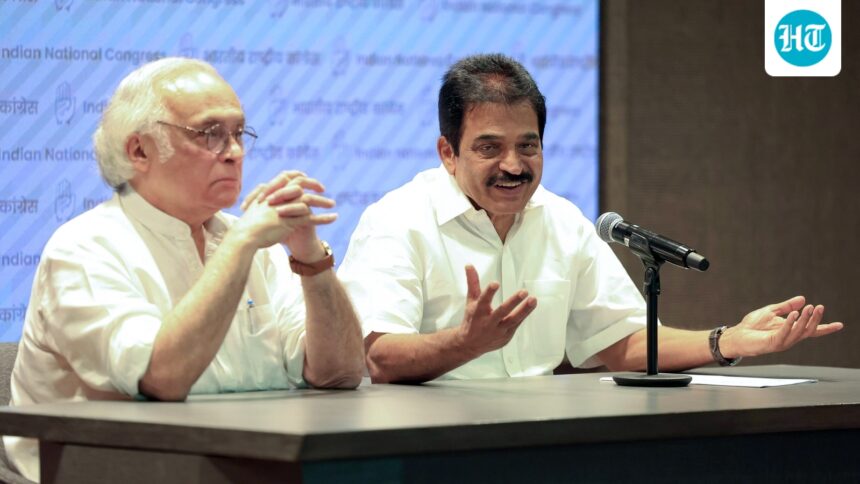
In response, Congress leader Jairam Ramesh pointed out that Pakistan was isolated globally by former Prime Minister Dr Manmohan Singh following the 2008 Mumbai terror attack. Ramesh said the Islamabad MoU reflects Pakistan’s “new regional status and global influence”.
Read also: Ukraine bombs an oil refinery in Moscow for the second time this week, and Zelensky says a “justified response”
“It is a serious blow to both the substance and style of Prime Minister Modi’s foreign policy. Pakistan is now more entrenched in the geopolitical and security architecture of West Asia, which carries serious and significant implications for India,” Ramesh wrote on X.
“Memorandum of misunderstanding”
He also said that the MOU represented a “serious setback” for the United States as the main objectives of the war were never achieved. “The limitations on military force have once again been laid bare. PM Modi’s continued appeasement of President Trump – the latest evidence of which was MEA’s statement at the bilateral meeting between Trump and Modi last night – is shameful and, in fact, truly anti-national,” he wrote.
Read also: Father of Indian sailor killed in US attack appeals to Prime Minister Modi: “Ensure safety of sailors”
He said that although the interim agreement represents significant progress, there are chances that it will become a “memorandum of misunderstanding for both sides.” “For now, we can only say that the next 60 days will be extremely decisive,” he wrote.
The United States and Iran sign an agreement to end months of war
On Wednesday, Iranian President Masoud Pezeshkian and his American counterpart, Donald Trump, signed the temporary peace agreement remotely. The two sides are expected to meet for negotiations in Switzerland on June 19, although Iran said it was still discussing the presence of negotiators at the ceremony.
Read also: CHANDIGARH: Four days after the killing of a chemist shop in Sector 11, two persons from Jammu have been arrested
Iran also said there would be no signing ceremony in Geneva.
The Associated Press, citing American officials, reported that the crucial agreement that ends months of war calls for Tehran, at a minimum, to reduce its stockpile of highly enriched uranium and waive sanctions imposed on the country, but not to end them permanently.
The agreement would also open the Strait of Hormuz free of charge for two months and confirm a commitment to Lebanon’s territorial integrity in the face of an Israeli invasion against the Hezbollah militant group.