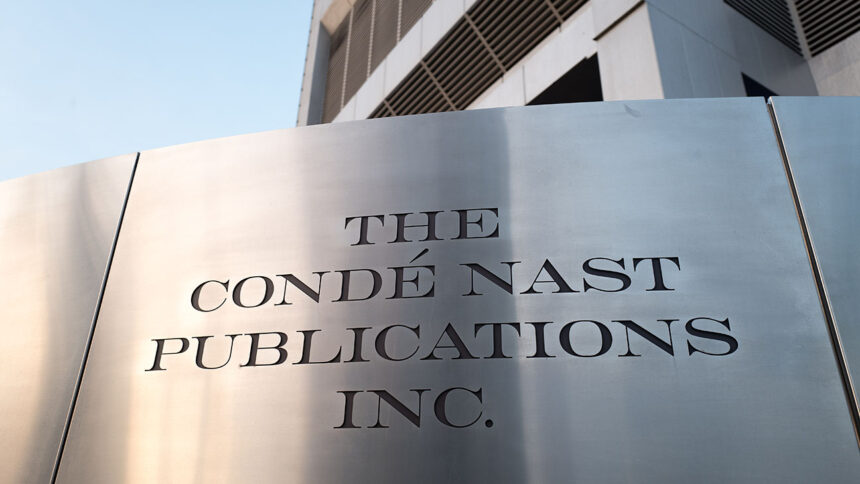
It was a march against the boss, a typical union tactic used to pressure management, but this time it had unusual consequences.
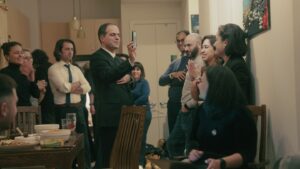
On November 5, 2025, a group of NewsGuild of New York union members confronted the chief personnel officer of publishing giant Condé Nast outside his offices at One World Trade Center over layoffs and recent business changes. Teen Vogue. A tense exchange ensued, with the executive trying to leave the conversation while union members pressured him to participate — at least some of which was captured on video and later leaked to the media.
The next day, four union members – Good appetiteAlma Avalee and Ben Dewey of Condé Nast Entertainment, WiredJake theology and The New YorkerJasper Lu was fired — and five other union members were suspended — for behavior that “violates company policies” and “conduct that crosses the line into targeted harassment and disruption of business operations,” according to the company. The union, in turn, considered the dismissals illegal and began defending the employees whose service had been terminated, calling them “the fired four.”
Now, nearly half a year later, the union has reached a settlement with Condé Nast over discipline, Hollywood Reporter I’ve learned. As part of the deal, the status of three of the four workers was changed from fired to being allowed to resign as active employees. Each received approximately two years’ pay and was provided with positive letters of recommendation.
The fourth fired worker, Lahut, was a probationary worker at the time of the exchange — meaning he was newly hired and was not working at Wired Long enough to be covered by the “just cause” language of the Union Agreement. He was offered a “lesser” settlement of his own, according to the union, but chose to pursue the case through an unfair labor practices allegation case at the National Labor Relations Board.
As for the suspended workers, the settlement deal gives them back wages for the days they were suspended and their disciplinary records were erased.
Although the company did not admit fault as part of the deal (nor did the union), New York’s NewsGuild viewed the settlement as a victory. “[Condé Nast] “I wanted to send a message that if you step out of line based on your boss’s random assessment of what that means, you could get fired,” NewsGuild of New York President Susan DeCarava said in an interview. “This finding is a clear repudiation of that. It is a rejection of the idea that people’s right to direct collective action is not protected under federal law. It clearly is.”
In a statement, a Condé Nast spokesperson said that after the arbitration process began, “we reached a mutually amicable agreement so that all parties can move forward constructively. In doing so, neither party admits any wrongdoing or liability.”
Lo, a former fact checker at The New Yorker One of the fired union members described his feelings about the settlement as “complicated.” “The company did something very terrible, but you can see from the terms of the settlement that in many ways they acknowledge that they take the blame. They take as much blame as they want to,” he explained.
After Condé Nast, Lu plans to attend Middlebury Language Schools this summer to work on his Mandarin while freelancing.
Avalee, meanwhile, called the settlement “a victory for the entire Condé Nast union, the New Yorker Union, New Guild, and the Labor Moment, to say that workers have a right to speak to their bosses as equals.” Avalee currently runs an independent literary magazine with a friend, applies for staff jobs here and there and plans to stay in touch with the union.
As for theology, the battle with Condé Nast is far from over. He says he was one week shy of the end of his probation when he was fired. It could take a long time for National Labor Relations Board cases to be decided, especially in 2026. “I’m willing to wait months, or years if I have to,” he says. “I mean, I think that’s potentially realistic.”
In the meantime, he continues to provide independent news reporting and has a contract job working as breaking news editor for the Sherwood News. But he keeps thinking about the day I quit his job: That morning, he was acting Wired in a press appearance on MSNBC and was scheduled to make another appearance later that night. He initially got the idea that something might be wrong through an MSNBC employee, who told him that Condé Nast had pulled him from a subsequent appearance.
“I don’t really understand how standing in the hallway and asking questions is enough to justify what happened here,” he says.