On a Tuesday in March, just after 9 p.m., in Lafayette between Houston and Bond. Merge Pilates is still on—bodies tucked in expensive discomfort behind glass. The bar in the corner has space. The adjacent mixed bathroom has a line. Across the street, there’s a club that takes phones at the door, a sticker on the lens, no pictures.
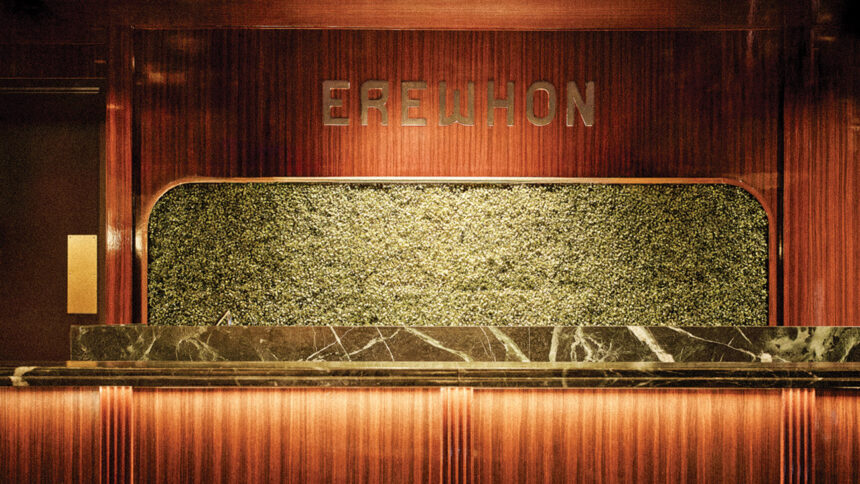
He called it New York’s Los Angeles. For years, it was a gossip — the imaginary Erewion in Soho, the 5 a.m. running club, a $22 mezcal cocktail — until it stopped being a joke. A city that spent decades looking down on Los Angeles is now importing its social architecture: members’ clubs, temples of health, curated privacy, and morning as the new night.
New York has been quietly absorbing Californian customs for decades, whether through its cuisine, exercise, surfer fashion or plastic surgery. The pandemic did not invent this new shift; It accelerated. An Angeleno landing at JFK can now manage a week of Los Angeles customs without changing anything, hitting the same grocery store, the same Pilates studio, the same private club—and often bumping into the same faces.

Along the way, the city has also absorbed L.A.’s particular fascination with going out into public while remaining essentially invisible.
The clearest expression here is the prosperity of private clubs. Soho House had the formula first and let it slip away — too many members, too visible. San Vicente Bungalows has reset in West Hollywood: tougher menus, stricter rules, and full phone control. And now the model has been rebuilt in New York – Zero Pond, Casa Cipriani, The Need, Aman – a network of doors that close behind you. The new situation is night without evidence.
Wellness has taken over what was once a nightlife. Othership and Bathhouse host ice and sauna socials where people meet in towels instead of Celine suits and slip dresses. Remedy Place, the cold-drip-and-drip social club founded by a Los Angeles transplant, sells memberships the way WeWork once did. Sobriety, or anything adjacent to it, resets the clock. The social peak is not at midnight; It’s 7 a.m., when running clubs replace after-hours work.

Even grocery stores have become Hollywood. Meadow Lane, the Tribeca grocery store launched by TikTok heir Sammy Nussdorf, plays by Erewhon’s playbook: minimalism in beige, celebrity juices, prices high enough to spark outrage and a guaranteed product line.

“Wellness has definitely become more visible post-pandemic,” Nussdorf says, describing clients who “care more about where they spend time” and are drawn to spaces that feel “calm, organized, and somewhat removed from the noise.”
He pushes back against the idea that this is just Los Angeles transplanted to the East. In New York, Nussdorf says, it’s less like a lifestyle identity and more like a series of habits integrated into the rhythm of daily life. This may be true, but the underlying behavior is familiar: a preference for environments that manage exposure and minimize friction, even when they present themselves as distinctly local.

In Keith Ivey, this logic comes to an end. Paddle Ronnie Vig’s new West Village club ($36,000, $7,000 annually), as confirmed this spring, will host Erewhon’s first club outside of California: a tonic bar that pours juice from 7 a.m. to 4 p.m. The dream of Erewhon’s line in SoHo has matured into a five-figure membership and a waiting list for court time. The line didn’t disappear. I just moved behind the gate.
Even dinner became quiet. On the Lower East Side, new openings reflect the Abbot Kinney style: seasonal, wood-fired. The red sauce rooms are still there, but as heritage. The clothes tell the same story on both coasts – Khaite in West Hollywood, and The Row in Tribeca. Once upon a time, New Yorkers dressed up at night; Now they wear form-fitting clothing — Alo, Vuori, Equinox uniform, GLP-1 silhouette underneath — worn right through dinner. The city no longer looked like it had just left a meeting. It looks like he just quit working out and decided that was enough.
It’s not just the aesthetics that are moving east. Power brings its habits with it. Gustavo Dudamel – the closest thing to a movie star in American classical music – took the podium for the New York Philharmonic. The bad robot moves to another place, a subtle but telling shift in gravity. No longer just a passerby, JJ Abrams has set down roots, moving around the city with his daughter, Gracie Abrams, who has been quietly assembling New York real estate as if trying to replicate the size of Los Angeles within the constraints of Manhattan.

One could argue that this is what every expensive city looks like now. But Los Angeles dictated contemporary rules: it built social life around controlled access, private entrances, and the understanding that visibility should be a choice, not an accident. New York has spent decades rejecting this idea. She hugs him now, quickly.
What disappears is the unwritten city – where proximity does the work of propaganda, where a night can surprise you because it has not been pre-screened or pre-approved. The two cities that knew each other became one city. The difference, increasingly, is the weather.
This story appeared in the May 6 issue of The Hollywood Reporter magazine. Click here to subscribe.