

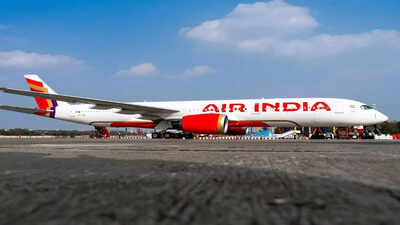
Air India is set to cut nearly 100 of its domestic and international flights until July, as rising jet fuel prices and airspace restrictions make many overseas routes too expensive, deepening the crisis for the already loss-making airline.
Campbell Wilson, CEO and managing director of Air India, told staff on Friday that the airline had already reduced some overseas operations in April and May, but worsening conditions meant additional cuts would now extend into June and July.“We reduced some flights in April and May… The dramatic rise in jet fuel prices, coupled with airspace closures and longer flight routes, has made many of our international flights unprofitable to operate,” Wilson said in his letter to employees.
He watches
Why rising jet fuel prices are putting pressure on Indian Airlines: Explained
The airline, which operates nearly 1,100 flights daily, will reduce its operations to Europe, North America, Australia and Singapore in June, according to ET. Airspace restrictions due to the conflict forced the airline to divert its flights on several international sectors, resulting in increased flight times and fuel burn. The combination of these factors created an extremely difficult operating environment for the loss-making airline, Wilson said.
He said that there was no alternative now but to reduce schedules further during the month of July.“We deeply regret the disruption to our customers’ plans and crew rosters, and we hope that the situation in the Middle East will stabilize – and the Strait of Hormuz will open – soon so that we can return to a more normal state,” he said.Wilson has already announced that he will step down later this year.The Air India group is estimated to have posted losses of over Rs 22,000 crore for the financial year ending March 31, 2026, highlighting the extent of the pressure on its business as global fuel markets remain volatile.
High fuel prices force operations to end
The Indian Airlines crisis is unfolding alongside a broader shock in oil prices, which is also putting severe pressure on India’s state-run oil marketing companies. According to the financial daily, average global jet fuel prices rose to $179.46 per barrel in the week ending April 24, an 80% jump from $99.40 at the end of February. Crude oil prices also surpassed $126 a barrel on Thursday after US President Donald Trump signaled an extended naval blockade of Iran, raising fears of prolonged disruption in the Strait of Hormuz.Since the Gulf War began on February 28, fuel prices have risen sharply. Average diesel prices in April were 119% higher than in February, gasoline was up 69%, LPG was up more than 40%, and aviation turbine fuel prices doubled.The sharp jump in crude oil prices led to widening losses for oil companies dealing with rising costs of gasoline, diesel, aviation turbine fuel and liquefied petroleum gas.After voting ended in several states, oil marketing companies are pushing for a faster increase in domestic fuel prices, according to people familiar with the matter, as they seek to pass on higher global costs.Despite these pressures, the government is seen as reluctant to agree to an immediate price increase.“Global prices have been volatile and have risen sharply, but the government’s efforts have been to ensure that consumers face the least problem – that is why our prices have stabilized,” Sujata Sharma, Joint Secretary, Ministry of Petroleum and Natural Gas, said on Thursday. “The impact on (oil marketing companies) will be known over time.”Earlier in the week, Sharma also said that there is no proposal to hike fuel prices from May 1.Oil companies may eventually ask for either higher retail prices or government compensation if high crude oil prices persist, people familiar with the discussions said. However, with LPG and fertilizer subsidies already increasing, absorbing further shortfalls could put additional pressure on public finances.Although prices for premium fuel, bulk diesel and ATF for international flights were revised upwards, prices for regular petrol and diesel remained unchanged, while domestic ATF was only partially increased.