

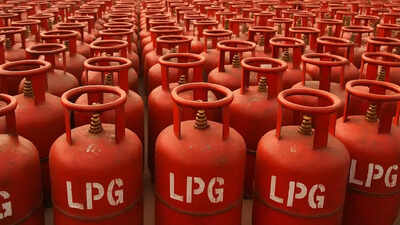
 LPG consumption reached 2.379 million tons in March, down from 2.729 million tons in the same month last year. The decline comes at a time when turmoil in the Strait of Hormuz, a major route for Indian fuel imports, has affected supplies from major exporters such as Saudi Arabia and the UAE.
He watches
Impact of Iran war hits India: Commercial LPG prices rise, airfare prices are expected to rise as fuel costs double
Domestic supplies were prioritized, and commercial use was hit hard
To manage the shortage, the government has reduced LPG supplies to commercial establishments such as hotels and industries, while prioritizing domestic consumption. According to news agency PTI, LPG sales to domestic users fell by 8.1 percent to 2.219 million tons.The impact was much more severe on non-domestic sectors. LPG sales to commercial users fell by almost 48%, while bulk LPG consumption fell by a whopping 75.5%.Data released by the Petroleum Planning and Analysis Cell (PPAC) contradicts government claims that household demand has been fully met.
Local production was boosted to compensate for imports
With India importing about 60 percent of its LPG needs, the disruption forced the authorities to increase domestic production. Refineries were directed to convert raw materials from petrochemical production to LPG manufacturing.As a result, LPG production rose to 1.4 million tons in March from 1.1 million tons a year earlier, news agency PTI reported. In the entire fiscal year 2025-2026, production rose to 13.1 million tons, compared to 12.8 million tons in the previous two years.Despite the decline in March, total LPG consumption for the financial year rose 6 percent to 33,212 million tons, reflecting steady long-term growth driven by adoption of clean fuels.
Mixed trends across fuel consumption
The conflict has also affected demand for jet fuel, with jet fuel consumption remaining nearly flat at 807,000 tons in March due to airspace restrictions in Gulf states.However, demand for petrol and diesel remained strong. Gasoline consumption rose 7.6 percent to 3.78 million tons, while diesel use increased 8.1 percent to 8.727 million tons, according to the PTI index.Among synthetic fuels, naphtha consumption fell by 9.9 percent, fuel oil consumption fell by 1.4 percent, while bitumen demand rose by 3 percent during the fiscal year, indicating continued activity in road construction.