


Joshua Spriestersbach, 54, was awarded $975,000 in compensation after he was wrongfully arrested and thrown into a psychiatric hospital in Hawaii for years.
A man who spent years confined to a psychiatric hospital after being repeatedly mistaken for someone else has won $975,000 in damages, bringing partial closure to a case that unfolded over nearly a decade and exposed a series of institutional failures. Joshua Spriestersbach, now 54, was homeless and living on the streets of Honolulu when a simple misidentification linked him to crimes he did not commit, a mistake that, despite multiple opportunities to correct, persisted through arrests, court proceedings and lengthy incarceration.
The case dates back to an encounter in 2011, when Spriestersbach was found sleeping at Kawananakoa Middle School in Punchbowl.
When asked who he was, he did not provide his first name, but gave the surname “Castleberry,” which was reportedly his grandfather’s last name. This detail proved important: Officers linked the name to an outstanding arrest warrant issued in 2009 for a man named Thomas Castleberry, who was wanted on multiple drug charges. Despite Spriestersbach’s insistence that he was not the person named in the arrest warrant, he was arrested. Although the court warrant associated with this incident was later dropped after he failed to appear in court, the misidentification has never been fully corrected in official records.
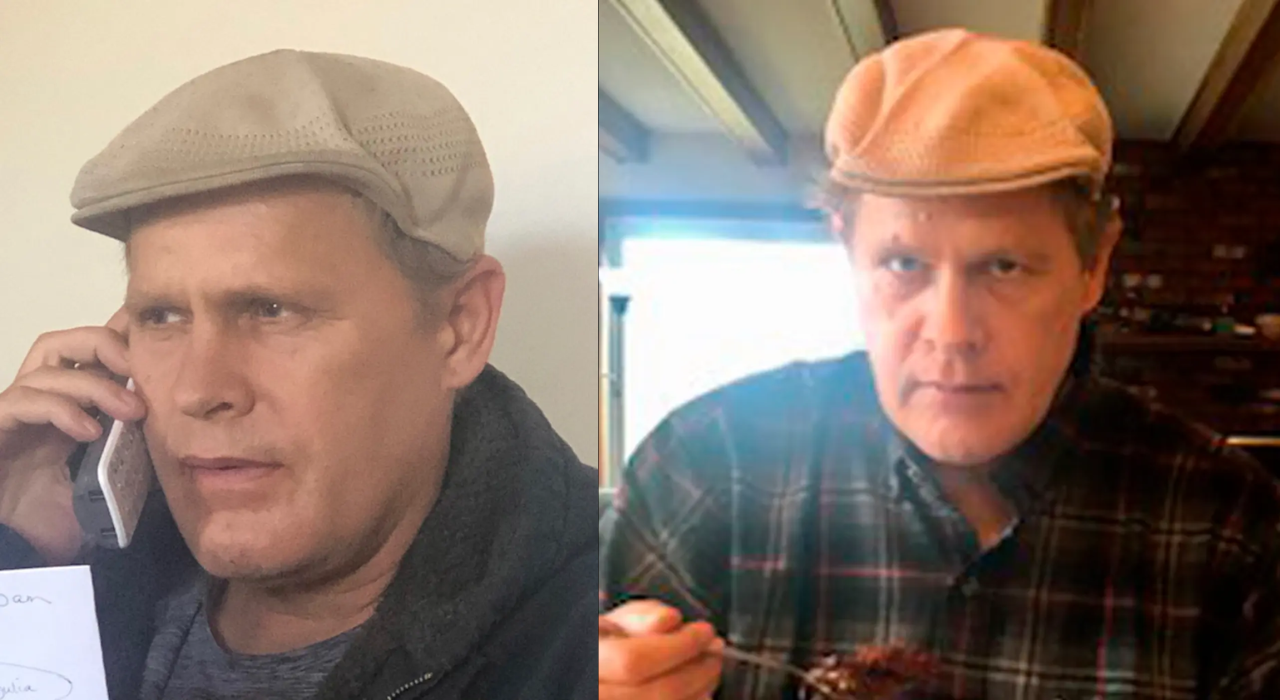
Spresterbach spent more than two years at Hawaii State Hospital/AP
In 2015, officers confronted him again and, according to his later lawsuit, confirmed by taking fingerprints that he was not Thomas Castleberry. However, the records have not been updated. By 2017, the error resurfaced. Spriestersbach, who suffers from schizophrenia, was sleeping outside the Safe Haven shelter in Honolulu’s Chinatown when police arrested him again after the name Castleberry appeared as one of his aliases. From there, he was taken into custody and held for four months at the Oahu Community Correctional Center before being transferred to Hawaii State Hospital. He will remain there for more than two years.Throughout that period, Spriestersbach continued to maintain that he was not the man the authorities thought he was. His lawsuit, cited by the New York Post, states that the allegations were dismissed rather than investigated. “Prior to January 2020, no one acted on the information available to determine that Joshua was telling the truth, and that he was not Thomas R.
“Castleberry,” the complaint says. Instead, the suit says, his denials were interpreted as evidence of mental illness: “Instead, they determined that Joshua was delusional and incompetent simply because he refused to admit that he was Thomas R. Castleberry and refused to acknowledge the crimes of Thomas R. Castleberry.” The complaint also asserts that systemic failures, including the handling of records and the treatment of vulnerable individuals, were fundamental to what happened, describing these practices as the “driving force” behind his unlawful arrest and prolonged detention. Spriestersbach was eventually released in January 2020, after more than two years in a state hospital. Last week, the Honolulu City Council approved a $975,000 settlement in his case, according to reports. He may also receive an additional $200,000 from the state to resolve separate legal claims against the Hawaii Attorney General’s Office.