Rivers have been supporting life for centuries by providing us with water, food and a means of transportation. However, as cities have grown in size, many of these rivers have been modified to suit the growing infrastructure requirements.
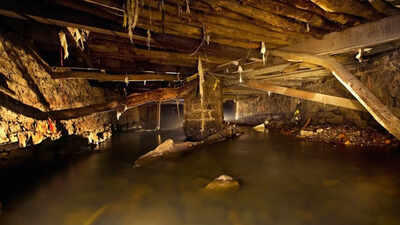
Many of these rivers have been diverted or completely covered with underground canals. Many of these rivers were completely covered by underground canals.This has affected their role in the ecosystem, as well as their relationship with their natural environments. These rivers are flowing, but they are flowing in a narrow space, which is completely different from their natural state. Now, let’s take a look at the list of rivers flowing underground around the world.
Underground rivers Hidden under cities all over the world
Sunswick Creek, New York City
Sunswick Creek flowed through Queens and appeared on maps in the late 19th century. As urban construction continued, the creek was enclosed and eventually buried under roads and buildings. It now moves through underground tubes without direct exposure to natural light or surrounding ecosystems.The enclosure of Sunswick Creek occurred over a long period as infrastructure expanded. The waterway was gradually integrated into the city’s sewer network.
Its current condition reflects low ecological activity and limited biodiversity due to trapped flow and urban runoff entering the system.
Tibbets Brook, New York City
Tibbetts Brook begins in the North Bronx and passes through Van Cortlandt Park before entering an underground canal. From that point, it flows through a sewer system built beneath urban areas, with only a small portion remaining visible above ground.The river once supported fish, birds and small mammals.
Urban development has brought pollution and changed water flow. Recorded pollution events have affected aquatic life, reducing species presence. The closed sections now operate primarily as part of the city’s water management system.
Sawmill River, Yonkers, New York
The Sawmill River runs from Chappaqua to Yonkers, part of which was buried during industrial expansion in the early 1900s. This section has been enclosed by infrastructure, removing it from natural environmental conditions and increasing exposure to urban pollutants.Restoration work has exposed parts of the river in recent years. These efforts have improved water movement and allowed for some environmental recovery. Despite these changes, the river continues to show the effects of long-term enclosure and the urban activity surrounding it.
Park River, Hartford, Connecticut
The Park River was diverted underground in the 1940s as part of a flood control and urban planning project. It now flows through tunnels beneath the city, including areas beneath public buildings and major infrastructure.Before its closure, the river carried sewage and industrial waste. Conversion addressed surface-level concerns but changed the natural order. The underground channel continues to carry water, with limited environmental activity observed within the enclosed environment.
Neglinaya River, Moscow
The Neglinnaya River used to flow through Moscow before it was redirected into underground tunnels. It now extends under the city for several kilometers and joins the Moskva River through controlled outlets.The fencing was implemented to manage flooding and drainage in an expanding urban area. The river functions as part of the city’s sewer system. Their natural features have been replaced by canals designed for water control rather than ecological balance.