


Guillermo del Toro He brought one of literature’s most iconic monsters to life with his Netflix film Frankenstein. While the story of Victor Frankenstein and his creation has been adapted countless times since then Mary Shelley Her novel was first published in 1818 FrankensteinDel Toro’s version offers a new interpretation that has captured the attention of audiences and critics alike. The director has long maintained that his take on the tale is not intended to be a traditional horror film, but rather a more emotional and philosophical take on the classic story.
In the lead-up to the film’s debut, del Toro explained that Shelley’s novel served as a guiding influence for the project. “Mary Shelley’s masterpiece is full of questions that burn brightly in my soul: existential questions, tender, barbaric, doomed, that only ignite in a young mind, and that only adults and institutions believe they can answer,” he told Netflix. TodomAdding that the book was his “bible” while developing the film. However, the director wanted to reinterpret the story in his own way, saying he hoped to “re-sing it with a different tone and with a different emotion.”
Unlike many classic film adaptations of the 19th century that lean heavily into the aesthetics of the period, del Toro said he wanted the film to feel more urgent and alive. “when [Shelley] books FrankensteinIt was not a period piece. It was a modern book, so I didn’t want to see an old, pastel-coloured piece.
here, Hollywood life Del Toro’s film is compared to Shelley’s original film Frankenstein a novel.

Victor’s father Frankenstein Book vs movie 2025
Victor’s father, Alphonse, is a loving and generous father to Victor in the book, and he dies of grief.
However, in the film, Victor’s father is a bad doctor named Baron Leopold Frankenstein, who hates his eldest son and his wife Baroness Claire Frankenstein. Leopold instills in Victor that he must preserve his legacy as Frankenstein and raise him to become a surgeon.
Victor’s mother in the book versus the movie
Victor’s mother in the book is called Caroline, and she died of scarlet fever. In the film, the mother’s name is Baroness Claire Frankenstein, and she dies violently while giving birth to her second son, William.

Elizabeth V Frankenstein The book versus the movie
The character of Elizabeth is a different character in Shelley’s work and in del Toro’s film. Her name in the book is Elizabeth Lavenza, Victor’s childhood friend, whom he is about to marry.
In the film, the character’s name is Lady Elizabeth Harlander, and she is engaged to William, Victor’s younger brother. She and Victor form a playful bond over their shared love of science, but she ultimately rejects Victor’s romantic advances and sympathizes with the creature.
Elizabeth’s wedding night in the book is a stark contrast to that in the film. The film highlights Victor’s brutal and impulsive arrogance when he catches Elizabeth and the creature talking on her wedding night. Victor urges her to stay away from the creature as he prepares to shoot it, but Elizabeth takes the bullet in the chest. She dies at Victor’s hands as the creature carries her to a cave-like tomb.
In the book, the creature kills Elizabeth to get revenge on Victor. He strangled her on the couple’s wedding night.
The creature companion in the book versus the movie
In Shelley’s novel, the creature asks Victor to make him a mate, to which the scientist agrees. However, Victor begins to worry about the possibility of his female creature giving birth. So he destroys it.
In the film, Victor quickly rejects his creature’s request and expresses disdain for the female creature’s ability to reproduce. No production of Rafiqa in the film has ever begun.
Possibility of the Creature’s Death: Books vs. Movie
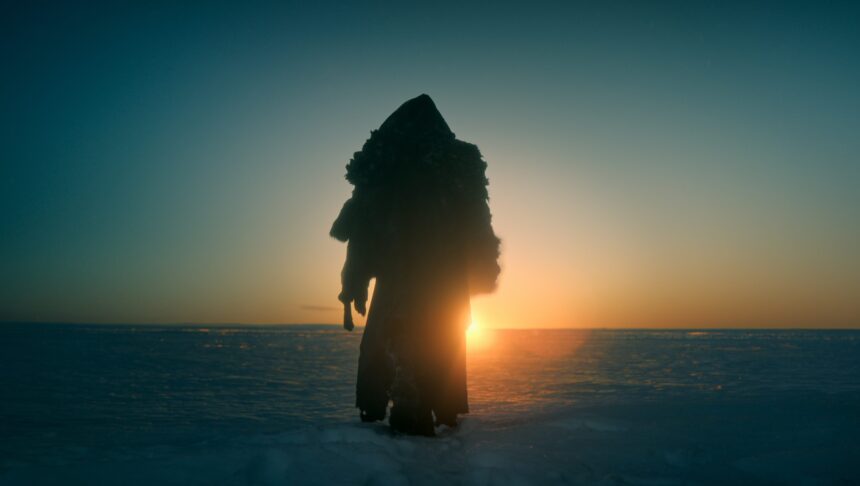
At the end of the novel, the creature encounters an expedition of soldiers sailing through the frozen Arctic (similar to the film), and informs their captain of his intention to burn himself. It is unknown whether he experienced his death or not, but he does not die at the end of the book.
In the film, the creature is unable to die. He may not be burned, stabbed, or fatally shot. He leaves his fate up in the air as he walks into the North Pole alone after helping a crew of soldiers sail home.

