

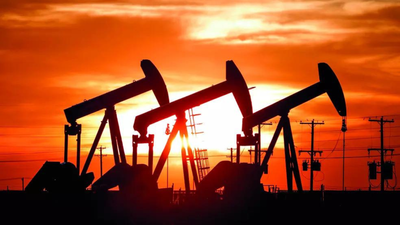
OPEC+ on Sunday announced a higher-than-expected increase in oil production quotas, days after US and Israeli strikes on Tehran sparked Iranian reactions across the Middle East, according to Agence France-Presse.The group of oil producers, which includes Saudi Arabia, Russia and several Gulf states affected by the escalation, said that it “agreed to adjust production by 206 thousand barrels per day.”“This amendment will be implemented in April,” OPEC+ said in a statement.While the cartel did not directly reference the Iranian conflict, it cited the “stable global economic outlook and current healthy market fundamentals” as the rationale behind increasing production.
The move comes amid increasing geopolitical tensions in the Middle East, a region vital to global crude oil supplies.
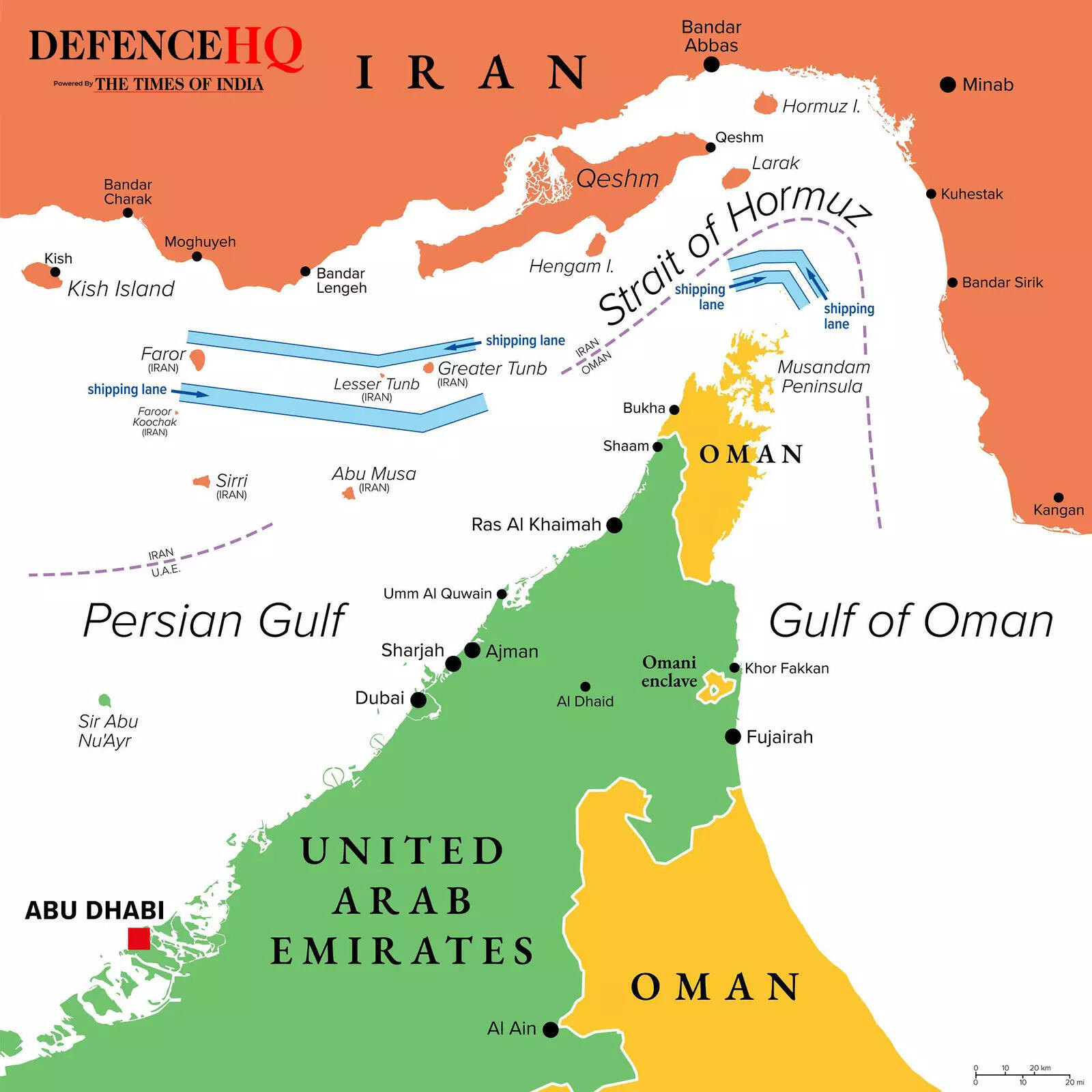
The announcement did not directly refer to the outbreak of the Iranian conflict, but rather attributed the decision to “stable global economic prospects and current healthy market fundamentals.”Before the meeting, analysts expected a more modest increase of 137,000 barrels per day.However, Jorge Leon, an analyst at Rystad Energy, warned that the agreed increase may not be enough to offset the potential impact of escalating tensions on crude oil markets.
Leon highlighted the risk of disruption of the Strait of Hormuz, an important waterway through which nearly a quarter of the world’s seaborne oil supplies pass.The Iranian Revolutionary Guard reportedly contacted the ships to announce the closure of the strait. Iranian state television said on Sunday that an oil tanker trying to pass “illegally” through the strait had been bombed and was sinking, and broadcast footage of the tanker burning in the sea.“If oil cannot pass through Hormuz, an additional 206,000 barrels per day does not do much to smooth the market,” Leon said, adding that “logistics and transit risks are more important than production targets at the moment.”He said that the OPEC+ move “is unlikely to calm the markets,” noting that “prices will respond to developments in the Gulf and the state of shipping flows, and not to a relatively small increase in production.”Apart from Russia and Saudi Arabia, the V8 group includes Kuwait, Oman, Iraq and the United Arab Emirates – all of which were targeted by Iranian attacks for the second day in a row on Sunday. Algeria and Kazakhstan are also part of the group.