Paramount’s massive $111 billion deal for Warner Bros. Discovery is an official move.
The two companies officially unveiled the deal on Friday after Netflix officially pulled out of the offer the day before, citing a price that was “no longer financially attractive.”
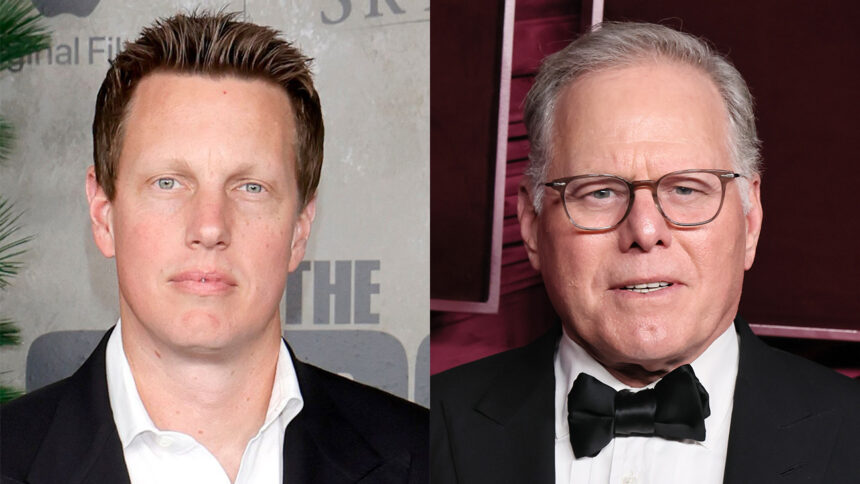
“From the beginning, our pursuit of Warner Bros. Discovery has been guided by a clear purpose: to honor the legacy of two iconic companies while accelerating our vision of building a next-generation media and entertainment company,” said Paramount mogul David Ellison. “By combining these world-class studios with our complementary streaming platforms and the exceptional talent behind them, we will create even greater value for audiences, partners and shareholders – and we couldn’t be more excited about what’s next.”
Warner Bros. CEO David Zaslav added: Discovery, “I am very pleased with the result we have achieved for WBD shareholders and the entertainment industry. Our guiding principle throughout this process has been to secure a deal that maximizes the value of our iconic assets and our century-old studio while providing the greatest certainty possible to our investors. We look forward to working with Paramount to complete this historic transaction.”
The deal will see Paramount pay $31 per share for WBD, but also includes other elements, including a recording fee payable to shareholders equal to $0.25 per quarter beginning after September 30, 2026, as well as a $7 billion regulatory redemption in the event the deal does not close due to regulatory issues. The visa fee means that the price of the WBD will rise the longer the regulatory process takes.
The deal is supported by $47 billion in equity commitments from the Ellison family and Red Bird Capital, and $54 billion in debt financing from Bank of America, Citigroup and Apollo. Paramount added that “upon closing, equity may include other strategic and financial partners,” though it did not disclose those partners. Previous offers have included financing from Middle Eastern sovereign wealth funds, Tencent, and Jared Kushner Affinity Partners.
The company says it expects to close the deal in the third quarter of this year, indicating a strong timeline that underscores its regulatory confidence.
Paramount also paid the $2.8 billion termination fee that Warner Bros. was required to do. It prompted Netflix to abandon its signed deal, while the new deal would require WBD to pay Paramount $3 billion if it backed out of the deal in favor of a better offer.
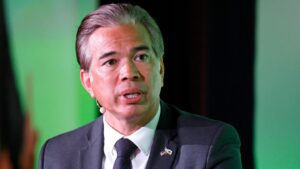
California Attorney General Rob Bonta has already said they have an open investigation and intend to be “active” in their review of the deal.
In officially announcing the deal, Paramount also made some commitments intended to allay the city’s concerns. For starters, the company says it will retain both Paramount and Warner Bros. As independent studios, committing to 15 films from each each year, with full 45-day slots before moving to premium video on demand, with longer slots for hit films.
The company is also committed to continuing to sell its software to third parties, and to be a buyer of content from other studios.
Paramount reiterated its estimates that it could generate $6 billion from “synergies,” which it says will be “driven by a combination of: technology integration (such as migrating the combined company to a single enterprise resource planning system and consolidating streaming technology stacks), and company-wide efficiencies, including procurement savings, optimizing the combined real estate footprint, and streamlining operational efficiencies.”
Of course, Hollywood is preparing for a significant number of layoffs after the deal closes, though the announcement also suggests the possibility of selling other notable assets (do Warners and Paramount need their own studios in Los Angeles?).
“Warner Bros. is a world-class organization, and we want to thank David Zaslav, Gunnar Wiedenfels, Bruce Campbell, Brad Singer, and the WBD board for running a fair and rigorous process,” WBD co-CEOs Ted Sarandos and Greg Peters said in a statement Thursday. “We believe we would have been strong stewards of Warner Bros.” famous brands, and that our deal was going to boost the entertainment industry and maintain and create more production jobs in the United States, but that this deal was always a “nice to have” at the right price, not a “must have” at any price.