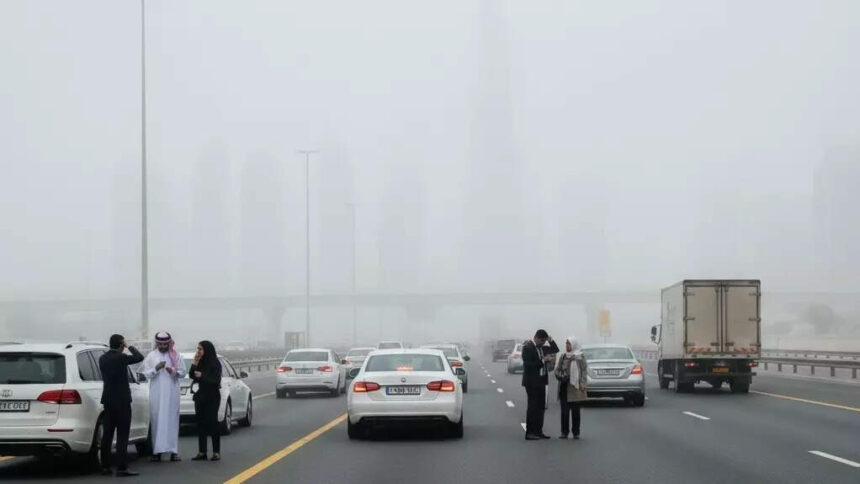
Morning commute in the United Arab Emirates is exposed to dense fog; Clear skies expected soon / Photo: File
If your morning commute feels like you’re driving through a cloud this week, you’re not alone. The UAE has seen a series of ‘red alert’ fog events, with visibility falling to near zero across major highways and residential areas.
Far from being a random occurrence, this thick blanket is a seasonal marker, representing a dramatic tug of war in the atmosphere as the country prepares to replace the chills of winter with the warmth of spring.
Record foggy morning across the UAE
Residents of Dubai, Abu Dhabi and other emirates woke up this week to unusually dense fog that made it almost impossible to see the road ahead during the early morning commute. Drivers described conditions in which buildings and cars appeared to be shrouded in fog, with visibility reduced to just a few meters in some areas.The situation was serious enough that authorities issued official weather warnings about low horizontal visibility. On several mornings, alerts remained in place until mid-morning, urging caution as fog made major highways such as the E11, E311 and E611 particularly dangerous for commuters.
Why is the UAE so foggy now?
The current wave of fog is not random, it results from specific seasonal weather patterns typical of late winter in the Arabian Gulf region.
According to the National Center of Meteorology (NCM), a strong high pressure system over the country has trapped moisture close to the ground. As night falls and temperatures drop, this moisture condenses and turns into dense, low fog in the early morning hours.Calm winds and high humidity, which often exceeds 90 percent at night, help fog form and persist. These conditions are well known in late winter and early spring in the UAE during the transition period, when mornings are cool and humid before the daytime heats up.
This phenomenon is especially common between January and the end of February.Meteorologists point out that inland desert areas cool quickly at night while coastal areas remain humid, creating an ideal environment for fog. The juxtaposition of warm coastal air and cool desert air at night makes winter mornings particularly vulnerable to dense fog.
What do residents face?
The thick fog didn’t just create eerie cityscapes; It has caused major travel disruptions.
Low visibility led to slow, cautious driving, long delays on highways and multiple warnings from road authorities. In some cases, motorists spent significantly more time on roads that would normally take minutes.Air travel has also felt the effects. Major hubs such as Dubai International Airport experienced temporary delays as pilots waited for safe landing conditions during peak fog hours. Airlines and airport authorities encouraged travelers to check the flight status before heading to the airport.Road safety officials have repeatedly urged drivers to slow down, maintain extra distance between vehicles and use proper headlights during foggy conditions. Electronic road signs across major roads are dynamically updated with lower speed limits in affected areas to improve safety.
When will the sky be clear again?
Foggy conditions are not expected to disappear immediately. Weather models show a risk of fog or morning fog continuing until February 28, with each new day getting wetter through the night creating another chance for patchy fog before sunrise.Furthermore, as temperatures gradually rise toward the beginning of March, the atmospheric environment that maintains dense fog will begin to break down. Humidity levels will drop overnight and winds will pick up, making fog much less likely. By the first week of March, residents can expect clearer, clearer mornings and steadily warmer days, a sign that the lingering effect of winter is finally giving way to spring.