As Muslims around the world begin celebrating the holy month of Ramadan on Wednesday, the usual enthusiasm associated with the festival has become very subdued in Iran, according to Iranians living in India and Western countries, according to Kalyan Das.
Members of the diaspora told TOI that many families back home are grieving following the recent anti-regime protests and the death of their loved ones, which has led to a marked shift in how they celebrate the holy month. Mohammad (who requested that his first name be used), an Iranian who has lived in Delhi for nearly a decade, said conversations with his family reflect deep pain and anger. “How can we celebrate the month in which so many were killed during the recent anti-regime protests?” He said. As Muslims around the world begin celebrating the holy month of Ramadan on Wednesday, the usual enthusiasm associated with the festival has become very subdued in Iran, according to Iranians living in India and Western countries. Members of the diaspora told TOI that many families back home are grieving following the recent anti-regime protests and the death of their loved ones, which has led to a marked shift in how they celebrate the holy month.
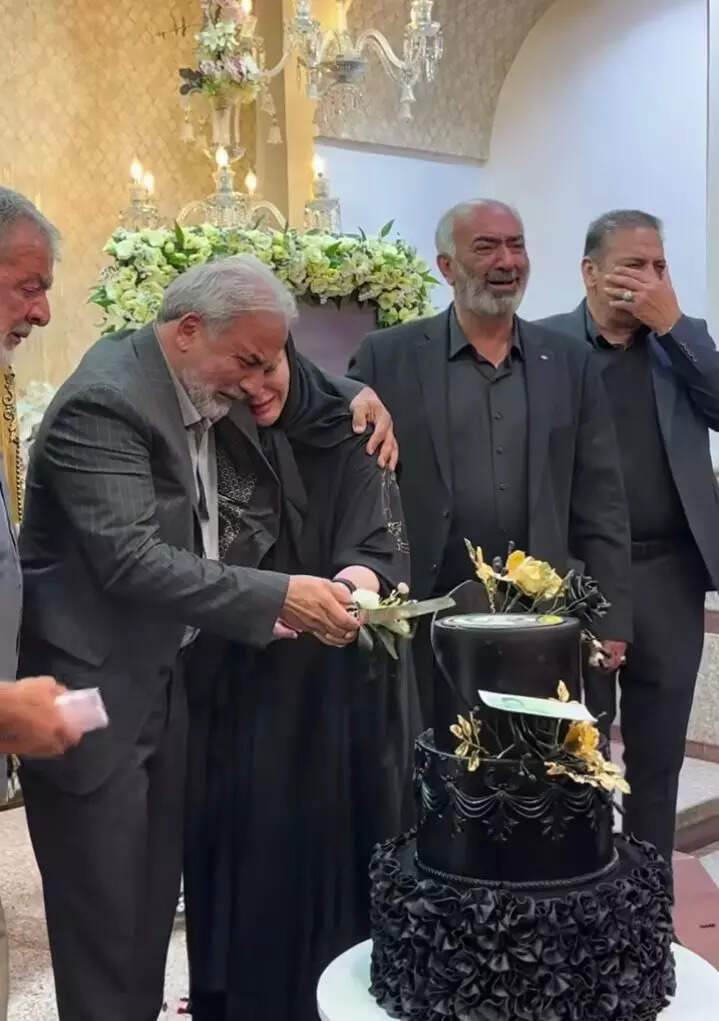
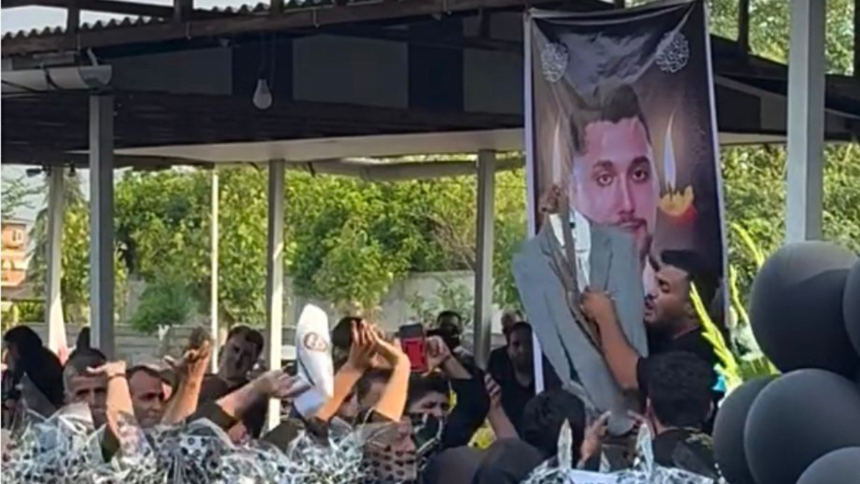
Mohammad (who requested that his first name be used), an Iranian who has lived in Delhi for nearly a decade, said conversations with his family reflect deep pain and anger. “How can we celebrate the month in which so many deaths occurred during the recent anti-regime protests?” He said. “Instead, people are watching the martyrdom of their loved ones – gathering at graves, singing and even dancing. It is an act of defiance to show the regime that killing protesters has not silenced the opposition, but rather inspired more people to stand up peacefully.
“He added that videos shared by his relatives show families clapping and singing at grave sites. “Before, families would wear black and cry,” he said. “Now, many are suppressing visible grief and choosing symbolic gestures of resistance. Through this act, they are challenging the regime.”TOI independently verified the allegations and found several videos in which families appear to be singing and clapping near the graves of their relatives who allegedly died during the unrest.Bahar Ghorbani, another Iranian living in India, claimed that nearly 40,000 people, including women and children, were killed during the protests. She said: “In recent years, an increasing number of people have begun to eat openly during fasting hours as a sign of dissent. The authorities no longer act harshly against those who do not fast. This time, the mood has become more intense due to mass killings. Ramadan looks different.”Helma, an Iranian resident of Hyderabad, cited economic difficulties as another reason behind the quiet atmosphere. She added: “Many people cannot afford basic food items. There is also concern about a possible war with the United States, which people fear will worsen the situation. In such circumstances, people struggle to focus on religious rituals.”In December last year, demonstrations broke out in several cities in Iran amid widespread unrest directed against the government and worsening economic distress.
Observers described the unrest as the most significant challenge to the establishment since the 1979 Islamic Revolution.The subsequent security campaign included the use of live ammunition against demonstrators.Rights groups and activists claimed that the violence led to the deaths of tens of thousands, describing it as among the bloodiest events in the country’s modern history.