Read for 3 minutesNew DelhiUpdated: February 20, 2026 12:15 AM IST
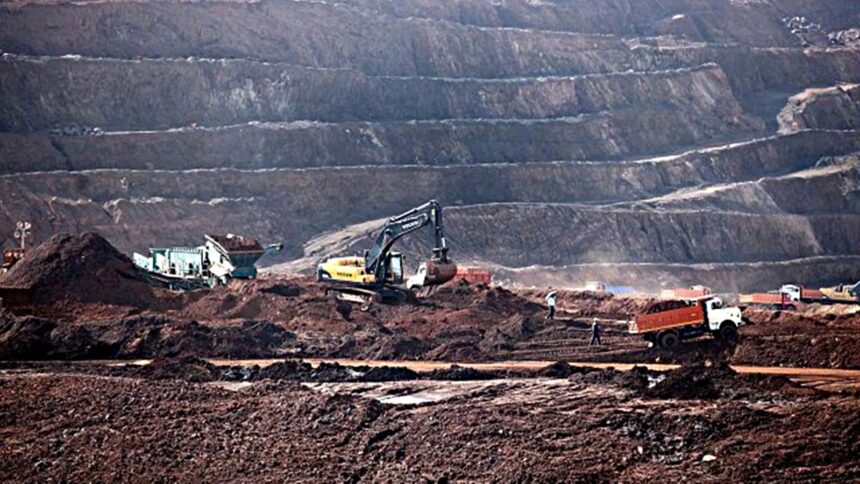
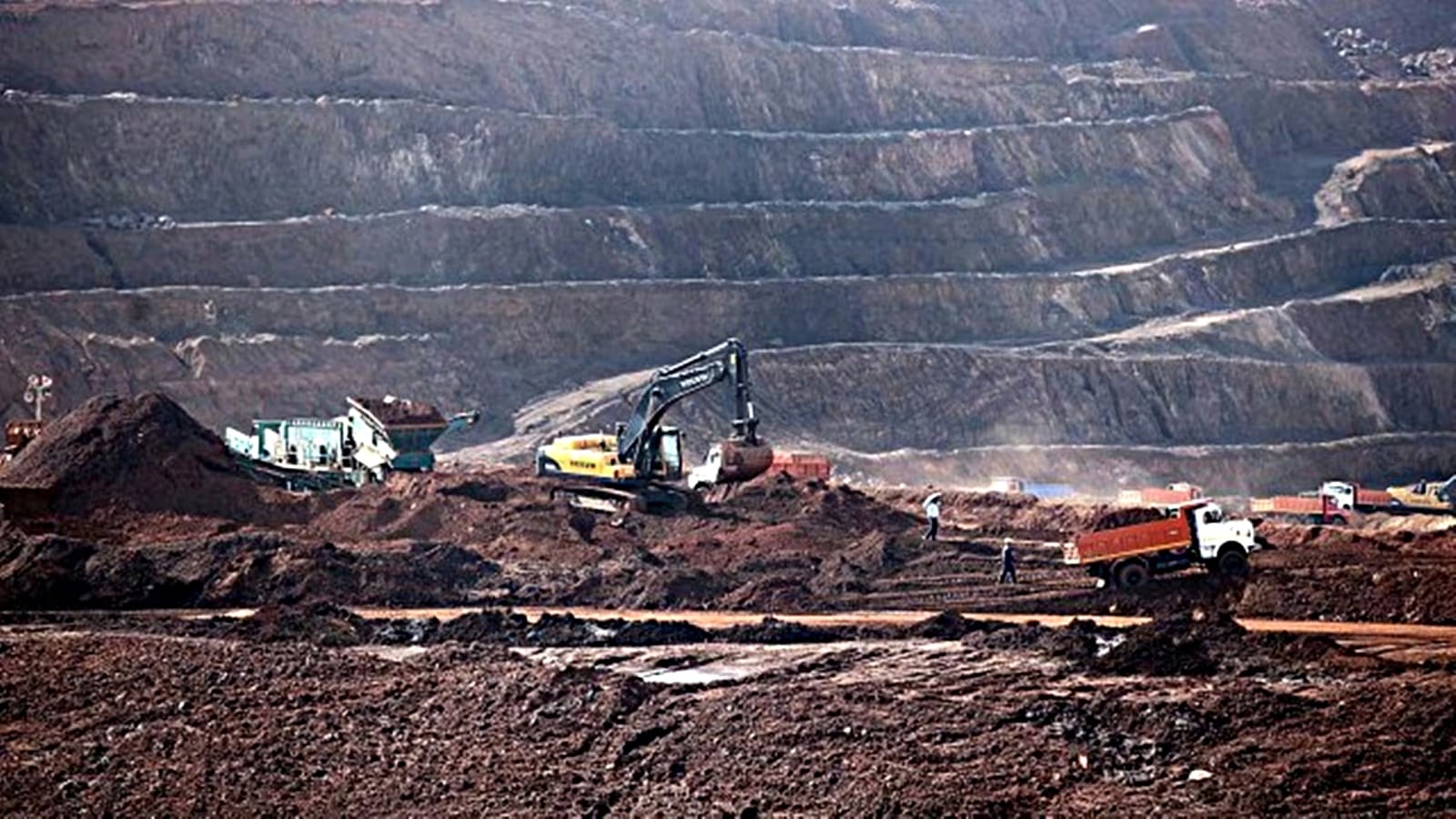 The minister said these efforts are aimed at creating an alternative supply chain so that no single country has a monopoly on the key mineral value chain. (File Photo)
India will start production of rare earth permanent magnets (REPM) by the end of this year, Union Mines Minister G Kishan Reddy said on Thursday.
The Minister said that the Non-Ferrous Materials Technology Development Center (NFTDC) in Hyderabad has developed indigenous technology and is providing technology to private companies to develop REPMs.
Reddy was addressing a conference on ‘Indian Critical Mineral Landscape: Foundation for a Sustainable Future’ organized by the Federation of Indian Chambers of Commerce & Industry (FICCI).
High-power REPMs are critical to a wide range of technologies, from electric vehicles and renewable energy systems to electronics, aerospace and defense applications.
But their manufacturing is concentrated in a few countries, with China alone controlling 90% of both the manufacturing and processing of the raw materials needed to produce these magnets. In November, the government approved a Rs 7,280 crore scheme to promote REPM manufacturing.
Reddy said the government has identified four states namely Andhra Pradesh, Odisha, Gujarat and Maharashtra to encourage setting up of critical mineral processing plants.
Domestic processing and refining capacity should be strengthened so that raw material exports can be stopped and value creation in India,” he said, adding, “Gujarat government has started work, Andhra Pradesh government is also ready, we will also discuss with Odisha and Maharashtra CMs”.
Negotiations with America and France are ongoing
Reddy said India is in talks with the US, France, Canada and some other countries to create an alternative supply chain for critical minerals and reduce dependence on a “single” country.
“We are in close discussions with the US… will tell you when the time comes,” he said, without divulging further details.
“We have also discussed with France’s mining minister and are working on a road map,” Reddy said, adding that similar talks are underway with “a bunch of countries” — except one, in a veiled reference to China.
The story continues below this announcement
The minister said these efforts are aimed at creating an alternative supply chain so that no single country has a monopoly on the key mineral value chain. The minister’s comments came at a time when India and the US agreed on an Interim Trade Agreement earlier this month. A few days ago, External Affairs Minister S Jaishankar participated in the Critical Minerals Ministerial in Washington DC, expressing India’s support for the US-led FORGED (Forum on Resources, Geostrategic Engagement) initiative on critical minerals.
The aim of these efforts is to create an alternative supply chain where no single country has a monopoly over the key mineral value chain, he said.
Government funding for exploration
In the field of exploration, the Minister said, 4,000 critical mineral exploration related activities have been initiated in a short span of time. Under the National Mineral Exploration Trust (NMET), the government has provided 100% funding to 41 notified private exploration agencies, including start-ups, to undertake exploration work. He added that the scope of NMET has now been expanded to fund foreign mineral exploration projects as well.
© The Indian Express Pvt