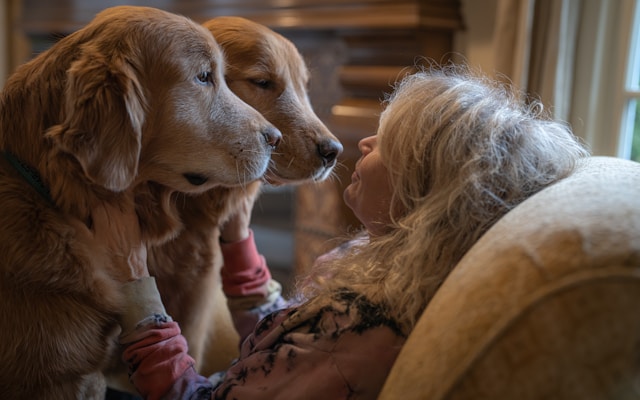
If you asked most seniors what brightens their days, a loyal dog or a purring cat would likely be on the list. Pets have a funny way of keeping our hearts busy and our homes less quiet — especially as we get older. But taking care of a furry friend can become more difficult when mobility or memory aren’t what they used to be. The good news? With a few transitions and a little outside help, you can ensure that your loved ones can continue to enjoy their beloved pets without feeling overwhelmed.
Start with a little real conversation
Before you jump in with advice (or a leash), have an honest conversation with your loved one. What do they find difficult these days? Has walking the dog become more difficult, or has the litter box become too much? Some people will try to hide the struggle, so a little gentle encouragement goes a long way. Reassure them that it is not about gaining their independence; It’s about keeping them and their pets happy.
Set up a simple routine
Routines work wonders for seniors and pets alike. If your loved one feels overwhelmed by complicated steps, try dry erase boards or sticky notes for reminders – such as feeding, walking or medication times for the animal. Automatic feeders and watering devices can help, as can calling in a neighbor for an occasional walk or play session in the backyard.
Make the home pet-friendly (and safe for seniors)
Commuting transitions can sneak up on you. Clear floors to reduce the risk of tripping over pet toys (and sleeping animals), and choose pet beds or feeding stations at the appropriate height so no one has to bend or crouch awkwardly. Low-sided litter boxes, lightweight leashes, or ramped steps to a favorite chair can make a big difference.
Order a backup (this is not cheating!)
Family members, friends and neighbors are usually happy to offer assistance to pets from time to time. Call up a high school student down the street for a walk or see if the people in your loved one’s assisted living community offer support for pets—this is more common than you might think. Some communities already have dedicated pet sitting options or host “happy hours” and group dog walks to make things easier for pet owners.
Keep vet visits and grooming on the calendar
As much as we try to avoid it, pets need regular health care just like humans. Offer to help manage appointments, transportation to the vet or groomer, and any medications. Set reminders on your or their phone, and ask about low-cost, affordable options — many cities have mobile vets, nail trimming clinics, or in-home grooming services to make it easier.
Don’t ignore the emotional benefits
Sometimes, just caring for a pet gives a senior a sense of purpose. Even a short walk, a few minutes of brushing your teeth, or throwing a ball can improve your mood and ward off loneliness. If a healthy transition means your current pet is becoming too much, consider smaller animals — such as older rescue cats or birds — that bring happiness with less physical effort.
Helping your aging loved one care for their furry friend isn’t just about walking the dogs or filling the food bowl. It’s about connection, comfort, and making sure that every bark or purr continues to bring light – no matter what year is on the calendar.