New Delhi
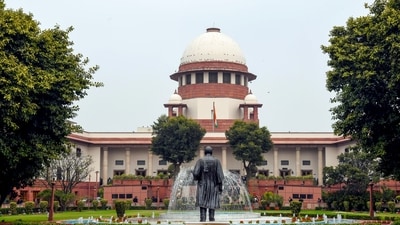
A view of the Supreme Court of India (SCI) building, New Delhi (ANI)A full bench of the Supreme Court on Tuesday decided to keep lawyers away from the process of nominating senior advocates, marking a departure from the existing practice since 2017 in the latest guidelines approved on Tuesday.
The new rules, titled “Guidelines for Posts of Senior Advocates of the Supreme Court of India, 2026”, released by the apex court on Wednesday made changes in the appointment process announced by a three-judge bench decision on May 13, 2025. The ruling proposed sweeping changes to the existing 2023 guidelines, which included scrapping points-based assessment of lawyers.
As per the earlier guidelines, the designation was recommended by a standing committee comprising the Chief Justice of India (CJI), two senior-most judges of the apex court and two lawyers’ representatives – the Attorney General and an eminent senior advocate of the Bar, with the remaining four members jointly elected.
While the May 2025 judgment did not mandate a change in the composition of the committee but strongly advocated a reconsideration of keeping lawyers out of the process, the full court of the CJI and all judges of the apex court who met on Tuesday decided to limit the composition of the committee to the CJI and the two senior-most judges. The committee will also determine the composition of a permanent secretariat to assist in this process.
More Read

Senior Advocates are designated under Section 16 of the Advocates Act, 1961. It is an honor conferred by the High Court or the Supreme Court on lawyers who have a distinguished position, competence and knowledge or experience in law.
In 2017, through a judicial decision in the Indira Jaising case, a committee replaced the full court for determining senior advocate designation based on point-based objective criteria. This included years of experience, contributions to judgments, publications and expertise in any area of law.
In 2023, the Indira Jaising case was revised and the revised guidelines remained in force until February 2025 when its validity was questioned by a two-judge bench in Jitender @ Kalla v. State. The decision was sent to the CJI who constituted a three-judge bench (as the powers of 2023 and 2023 were also the same) in May last year.
More Read

The May 2025 verdict ended the point system and held interviews and said that the decision to award the designation would be made by a full court of the Supreme Court or a high court. Lawyers with a minimum of 10 years standing at the Bar were eligible to apply with the process of calling for senior posts to be held at least once a year.
Regarding the formation of the committee, the judgment said, “What we have seen in the seven-and-a-half years since Indira Jaising-1 (2017), perhaps, calls for serious reconsideration of the involvement of members of the Bar in the process.”
Although the directions in the 2025 judgment have been incorporated by the Full Court, the only change relates to the constitution of committees and enhancement of eligibility even for lawyers who have been practicing as advocates or judicial officers of any court or tribunal for at least 10 years.
The guidelines set a minimum age of 45 years for becoming a senior advocate which can be relaxed in appropriate cases by the Full Court. Candidates for the post will be judged on four criteria – merit, standing at the bar, specialized knowledge of law and no criminal antecedents.